
Eco-Friendly Pottery Options TX Residents Love: A Green Guide


Embracing Eco-Friendly Pottery
As the world moves towards more sustainable practices, many Texas residents are seeking eco-friendly pottery options to enhance their homes and gardens. These pottery choices not only add aesthetic value but also support a greener planet. Whether you're a seasoned gardener or a home decor enthusiast, there are plenty of sustainable options to explore.
Materials That Matter
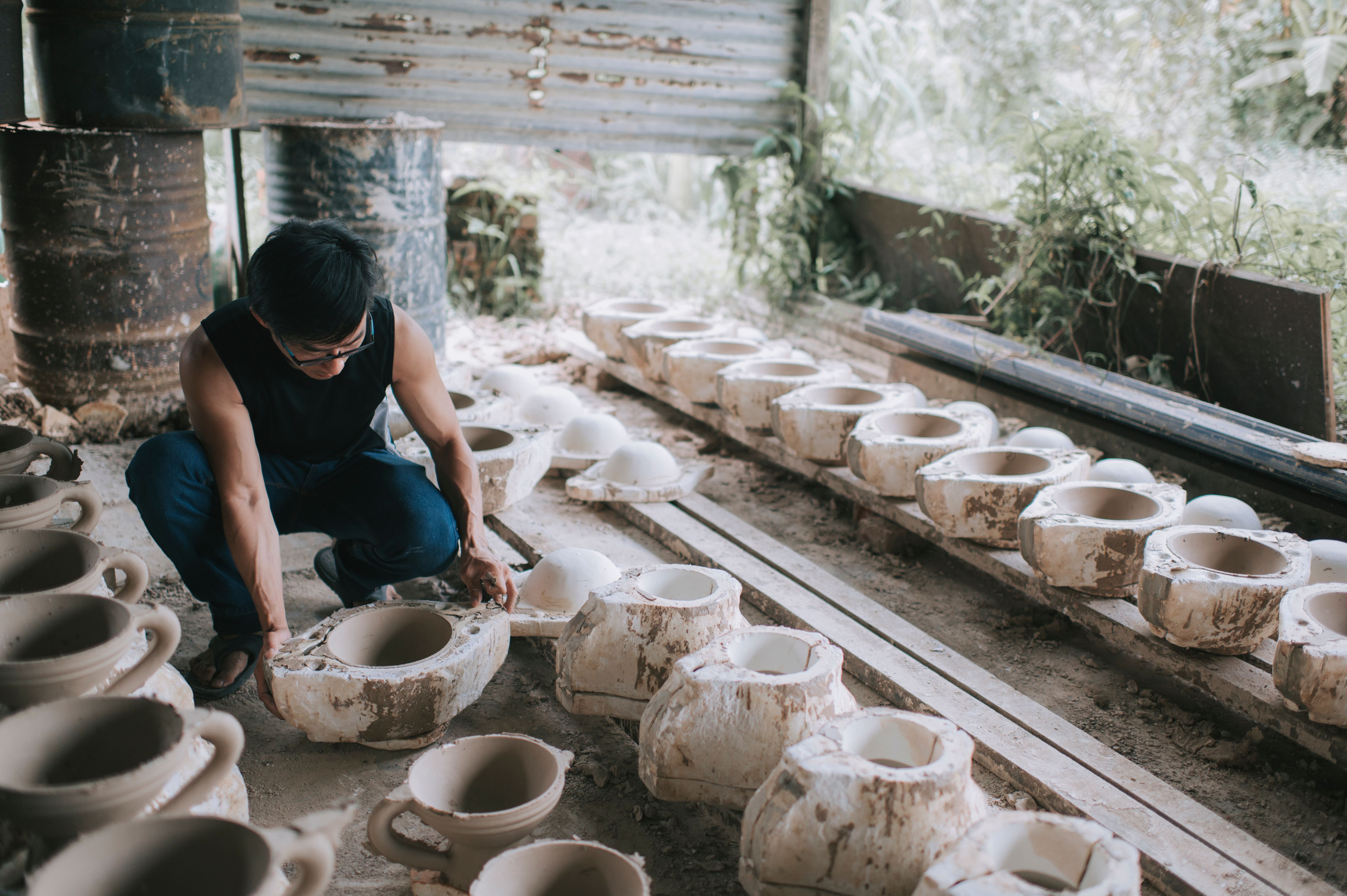
When it comes to eco-friendly pottery, the material is key. Look for pottery made from natural, locally-sourced clay. This reduces the carbon footprint associated with transportation and supports local artisans. Additionally, consider pottery that incorporates recycled materials, which helps minimize waste.
Another important aspect is the firing process. Pottery fired at lower temperatures consumes less energy, making it a more sustainable choice. Some manufacturers also use renewable energy sources for firing, further reducing environmental impact.
Supporting Local Artisans
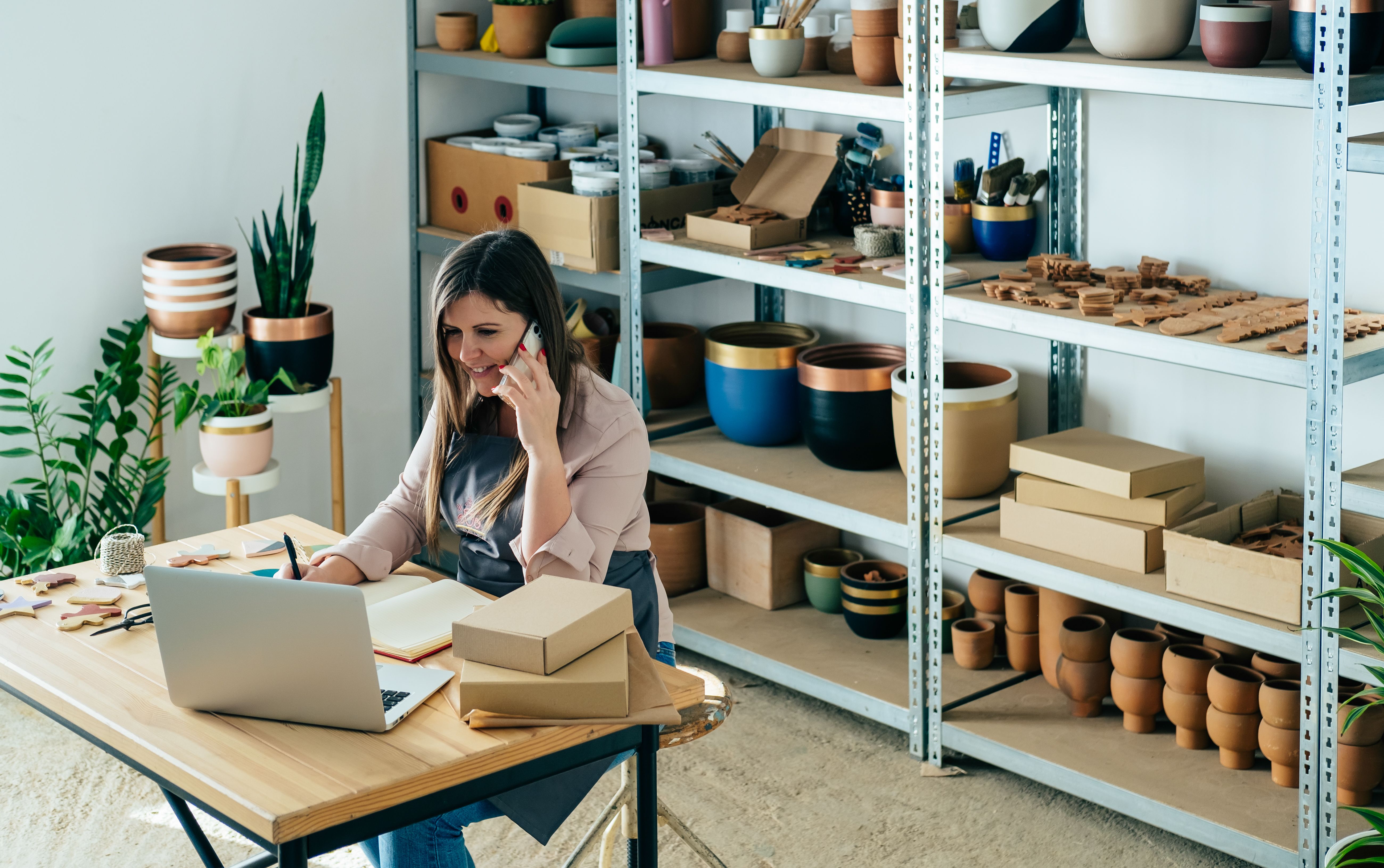
Purchasing pottery from local artisans not only supports the community but also often ensures more sustainable practices. Local artists tend to use traditional methods and materials, which are often more environmentally friendly. Plus, buying local reduces the need for long-distance transportation.
Choosing the Right Products
When selecting eco-friendly pottery, consider its purpose. For instance, unglazed terracotta pots are perfect for plants because they allow for better air and water exchange. These pots are often more breathable and can help maintain a healthier root environment.
For indoor use, consider pottery with natural, non-toxic glazes. These glazes are free from harmful chemicals, making them safer for both the environment and your home. Look for labels or certifications that indicate eco-friendly features.
Recycling and Repurposing
Eco-friendly pottery isn't just about the initial purchase—it's also about lifecycle management. Consider repurposing old pots for new uses, such as turning them into decorative pieces or using them in craft projects. Recycling broken pottery pieces into mosaics or garden paths is another creative way to minimize waste.
Many communities also offer recycling programs specifically for pottery and ceramics, ensuring that these materials are disposed of in an environmentally responsible manner. Participating in these programs can have a significant positive impact on waste reduction.